Smart Budgeting Techniques for Young Professionals
Sarah White
Aug 10, 2025
7 min read
Debt Management

Introduction
Who doesn’t love earning money back while spending? Rewards programs and cashback offers have become powerful tools for smart shoppers and savers alike. Whether you’re swiping a credit card, shopping online, or using digital wallets, there are countless ways to get more value out of every purchase.
However, many people miss out simply because they don’t understand how to use these programs effectively. Here are five practical ways to maximize your rewards and cashback offers without overspending or complicating your finances.
Introduction
Who doesn’t love earning money back while spending? Rewards programs and cashback offers have become powerful tools for smart shoppers and savers alike. Whether you’re swiping a credit card, shopping online, or using digital wallets, there are countless ways to get more value out of every purchase.
However, many people miss out simply because they don’t understand how to use these programs effectively. Here are five practical ways to maximize your rewards and cashback offers without overspending or complicating your finances.
Smart saving isn’t about sacrifice — it’s about strategy. Here are five proven ways to build your savings without changing your lifestyle.
Smart saving isn’t about sacrifice — it’s about strategy. Here are five proven ways to build your savings without changing your lifestyle.
1. Start With the 50/30/20 Rule
The 50/30/20 rule is one of the simplest and most effective budgeting frameworks.
50% for needs (rent, groceries, transportation)
30% for wants (dining out, entertainment, hobbies)
20% for savings and debt repayment
This structure gives you financial balance while still letting you enjoy life.
💡 Pro Tip: Many finance apps allow you to categorize transactions automatically, so you can instantly see whether you’re sticking to your percentages.
2. Use Budgeting Apps to Stay Organized
Tracking finances manually can be time-consuming. Budgeting apps make the process effortless by syncing with your bank accounts, categorizing expenses, and showing where your money is going.
3. Build an Emergency Fund Early
Life is full of surprises — a medical bill, sudden car repair, or job change. Having an emergency fund protects you from financial setbacks and stress.
Aim to save at least 3–6 months of essential expenses.
💡 Pro Tip: Automate weekly or monthly transfers into your emergency fund so you grow it without thinking about it.
4. Cut Small Costs That Add Up Big
You don’t have to give up everything you enjoy, but being mindful of recurring expenses can save you more than you think. Review things like subscriptions, premium app memberships, or unnecessary delivery fees.
5. Review Your Budget Every Month
Your income, lifestyle, and priorities will evolve — your budget should too. Reviewing your spending helps you identify patterns and make smarter decisions for the future.
💡 Pro Tip: Schedule a 15-minute “money check-in” at the end of each month to adjust your categories, goals, or savings plans.
1. Start With the 50/30/20 Rule
The 50/30/20 rule is one of the simplest and most effective budgeting frameworks.
50% for needs (rent, groceries, transportation)
30% for wants (dining out, entertainment, hobbies)
20% for savings and debt repayment
This structure gives you financial balance while still letting you enjoy life.
💡 Pro Tip: Many finance apps allow you to categorize transactions automatically, so you can instantly see whether you’re sticking to your percentages.
2. Use Budgeting Apps to Stay Organized
Tracking finances manually can be time-consuming. Budgeting apps make the process effortless by syncing with your bank accounts, categorizing expenses, and showing where your money is going.
3. Build an Emergency Fund Early
Life is full of surprises — a medical bill, sudden car repair, or job change. Having an emergency fund protects you from financial setbacks and stress.
Aim to save at least 3–6 months of essential expenses.
💡 Pro Tip: Automate weekly or monthly transfers into your emergency fund so you grow it without thinking about it.
4. Cut Small Costs That Add Up Big
You don’t have to give up everything you enjoy, but being mindful of recurring expenses can save you more than you think. Review things like subscriptions, premium app memberships, or unnecessary delivery fees.
5. Review Your Budget Every Month
Your income, lifestyle, and priorities will evolve — your budget should too. Reviewing your spending helps you identify patterns and make smarter decisions for the future.
💡 Pro Tip: Schedule a 15-minute “money check-in” at the end of each month to adjust your categories, goals, or savings plans.

Conclusion
Budgeting doesn’t mean limiting your life — it means gaining control of it. With simple frameworks, smart tools, and regular reviews, young professionals can build budgets that support both their present lifestyle and their future dreams. Start small, stay consistent, and watch how quickly financial confidence grows.
Blogs
Check Out Other Articles
Discover how our powerful tools make managing money simpler, faster, and smarter.
Blogs
Check Out Other Articles
Discover how our powerful tools make managing money simpler, faster, and smarter.
Blogs
Check Out Other Articles
Discover how our powerful tools make managing money simpler, faster, and smarter.



Start Building A Smarter Financial Future!
Join thousands of people already using [Your Brand] to save smarter, invest confidently, and manage their money securely — all in one place.
Bank-Level Security
No Hidden Fees
Cancel Anytime
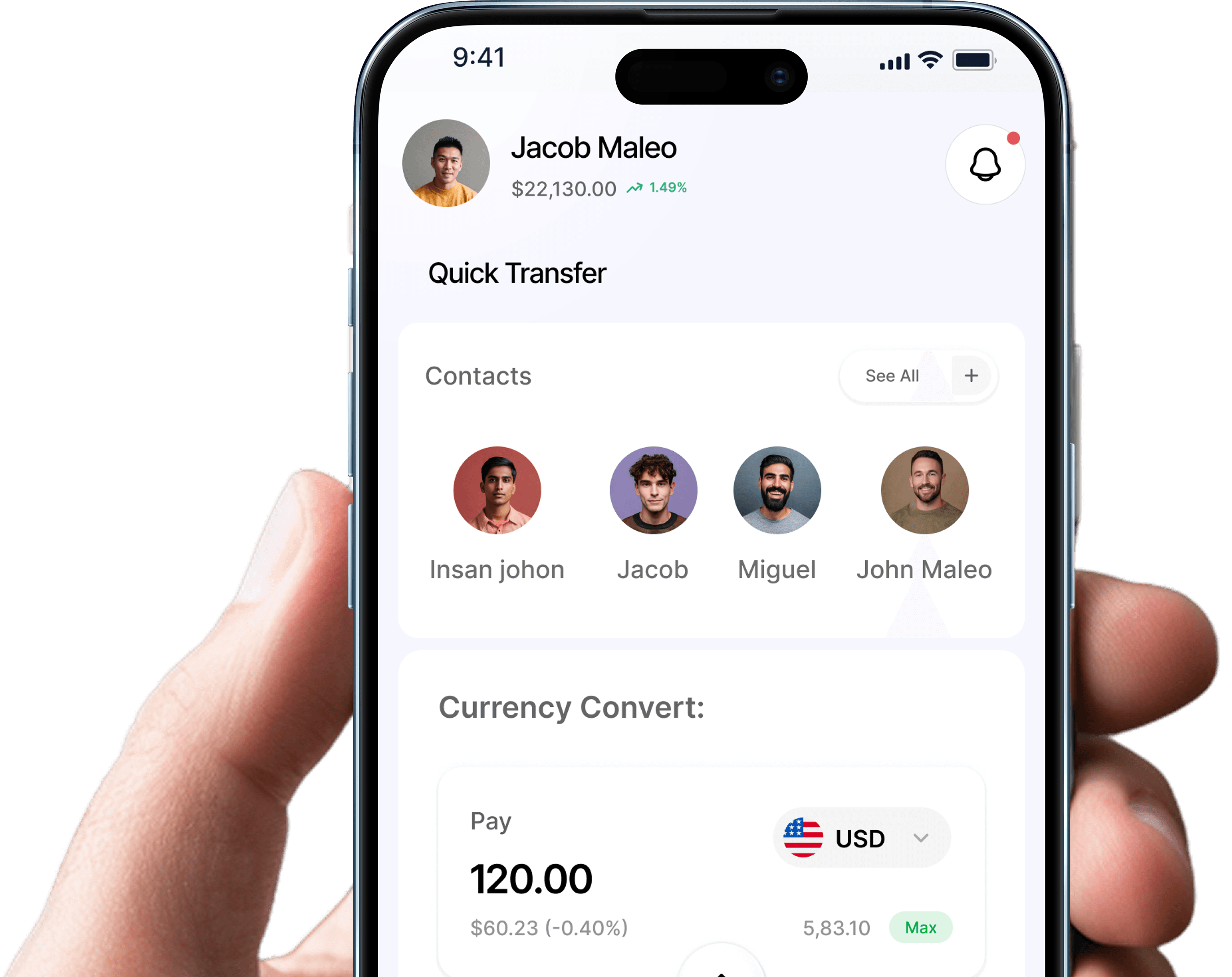

Start Building A Smarter Financial Future!
Join thousands of people already using [Your Brand] to save smarter, invest confidently, and manage their money securely — all in one place.
Start Building A Smarter Financial Future!
Join thousands of people already using [Your Brand] to save smarter, invest confidently, and manage their money securely — all in one place.